insights
Warehouse Manual Handling Safety: How to Reduce Injury Risk on the Dispatch Floor
Manual handling is the leading source of warehouse injury. A practical guide to reducing the risk — assessment, technique, layout — and how automating the heaviest repetitive tasks removes the hazard at source.
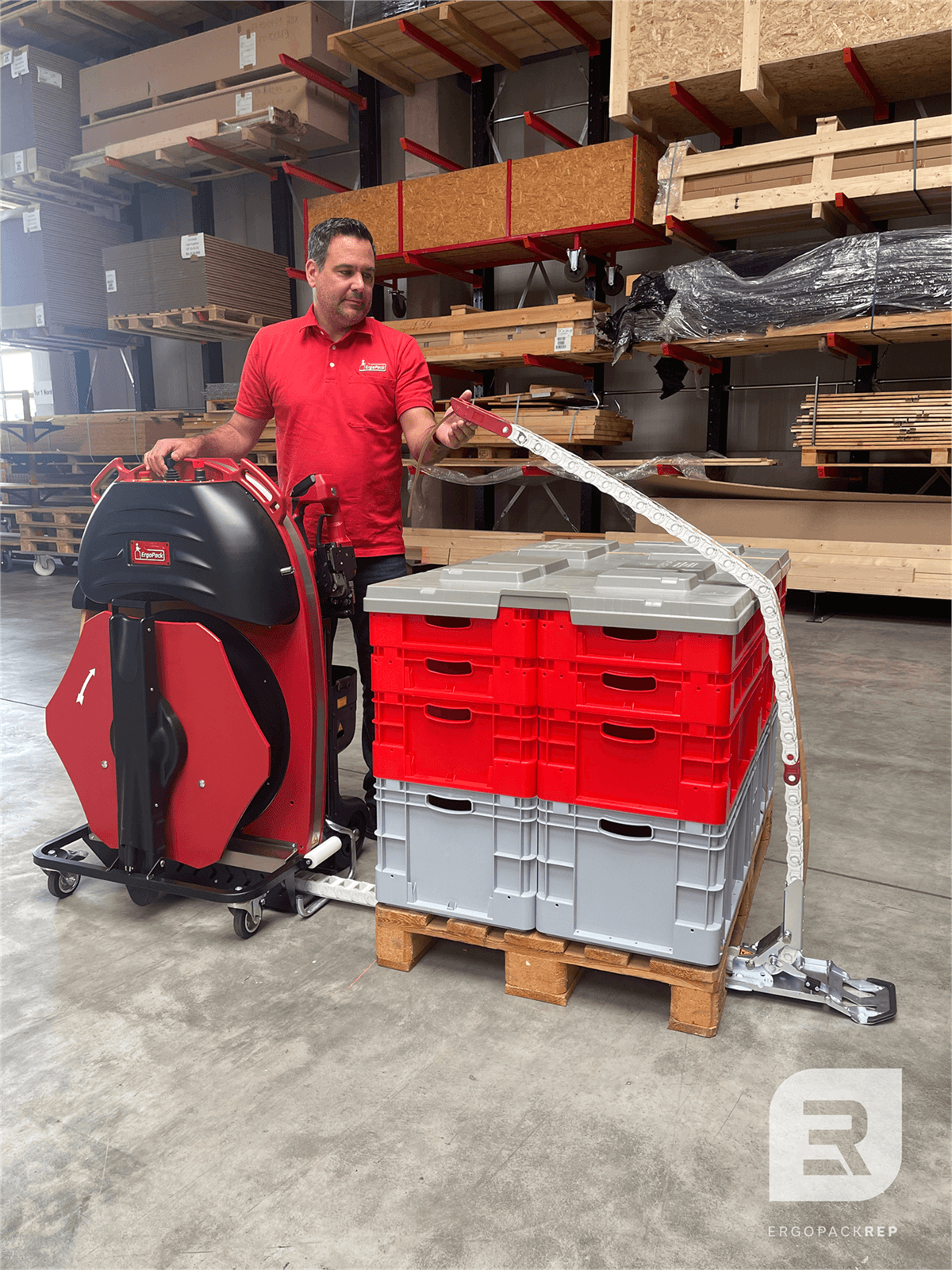
Manual handling — lifting, lowering, pushing, pulling, carrying — is the single largest source of warehouse injury, and the dispatch floor is where much of it concentrates. Reducing that risk is both a duty and a productivity gain: injuries cost shifts, claims and experienced people. Here is the practical approach.
Why manual handling is the top warehouse risk
Repetitive lifting and awkward postures cause musculoskeletal injuries — back, shoulder, knee — that build up over time rather than from one dramatic event. In a dispatch operation the risk concentrates in a few tasks: lifting cartons onto pallets, and bending and walking to strap and wrap loads by hand.
The hierarchy of controls (do them in this order)
Safety regulation everywhere follows the same priority — and "be careful" is the weakest control, not the first:
- Eliminate the manual task — the most effective control. If a machine can do the lift or the repetitive motion, the risk is removed, not just reduced.
- Engineer it out — mechanical aids, conveyors, height-adjustable equipment.
- Organise the work — job rotation, team lifts, pacing.
- Train technique — correct lifting as a last layer, not the first.
The common mistake is to jump straight to training ("lift with your legs"), which is the weakest control. Removing the task beats teaching people to survive it.
Practical steps on the dispatch floor
- Assess the high-risk tasks — which lifts are heaviest, most repetitive, most awkward? Usually palletising and manual strapping.
- Cut the lifting — keep loads at working height, use lift tables and mechanical aids, avoid floor-to-shoulder lifts.
- Cut the repetition — automate the most repeated motions.
- Fix the layout — short travel, clear aisles, nothing stored where it forces an awkward reach.
How automation removes the hazard at source
The highest-value control — eliminating the task — is exactly what end-of-line automation does for the most repetitive dispatch job. Manual strapping forces operators to bend to push the strap under the pallet and walk laps around the load hundreds of times a shift. A mobile ChainLance routes the strap automatically, so the operator secures the pallet from a standing position without the bending and walking:
- The repetitive bend-and-walk motion that drives strapping-related strain is removed, not just trained around.
- And because it is faster (under 40 seconds vs ~120), it is a safety control that also lifts throughput.
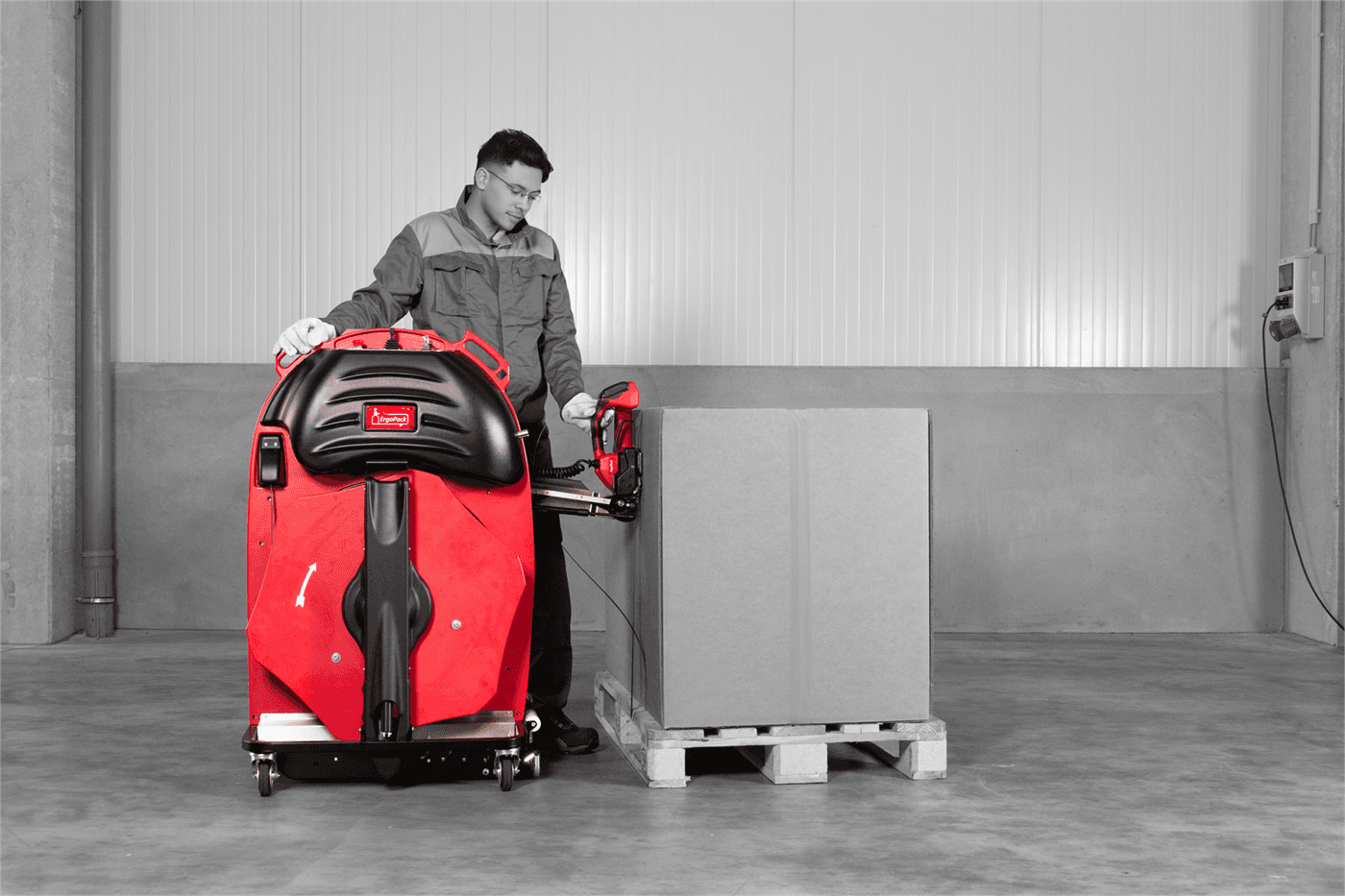
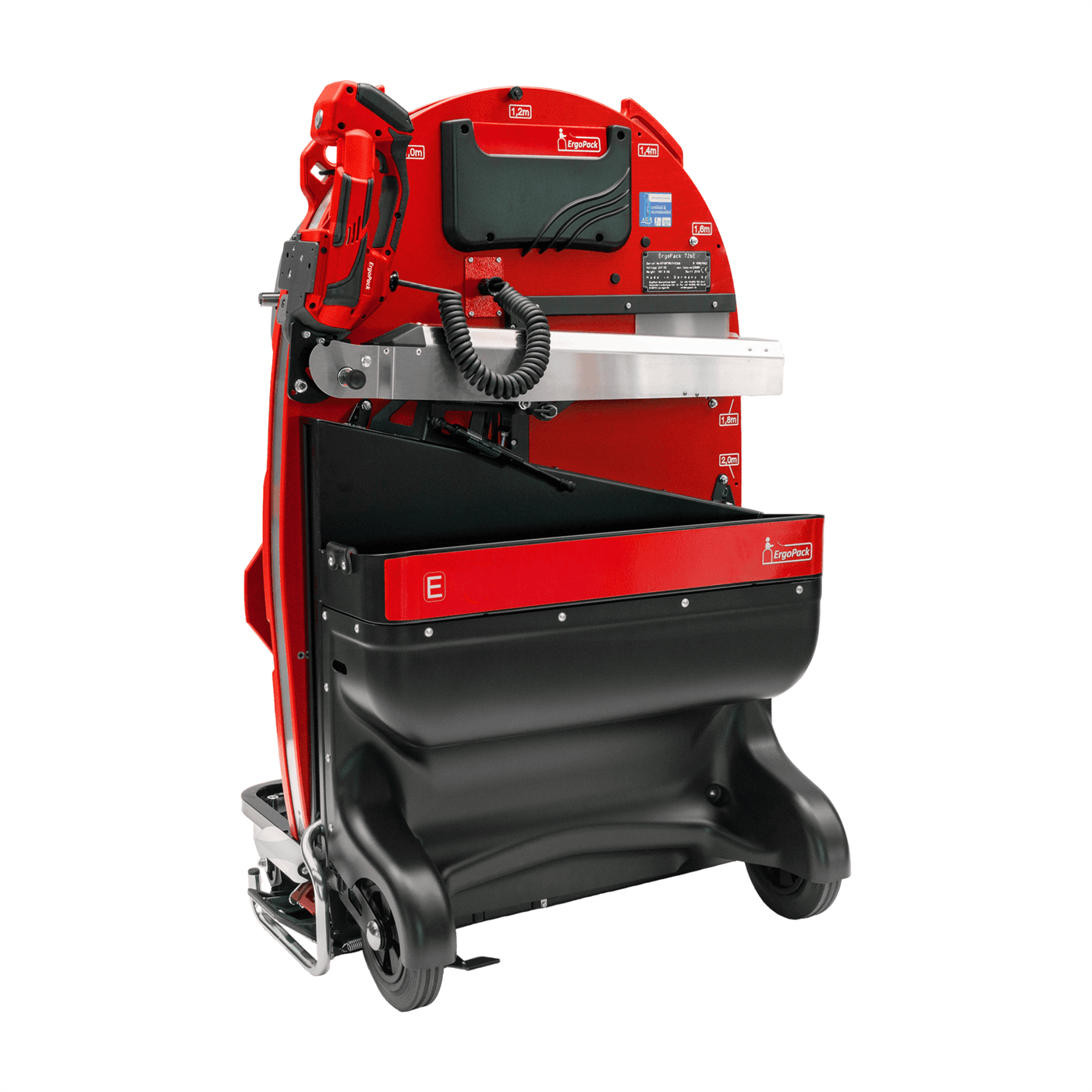
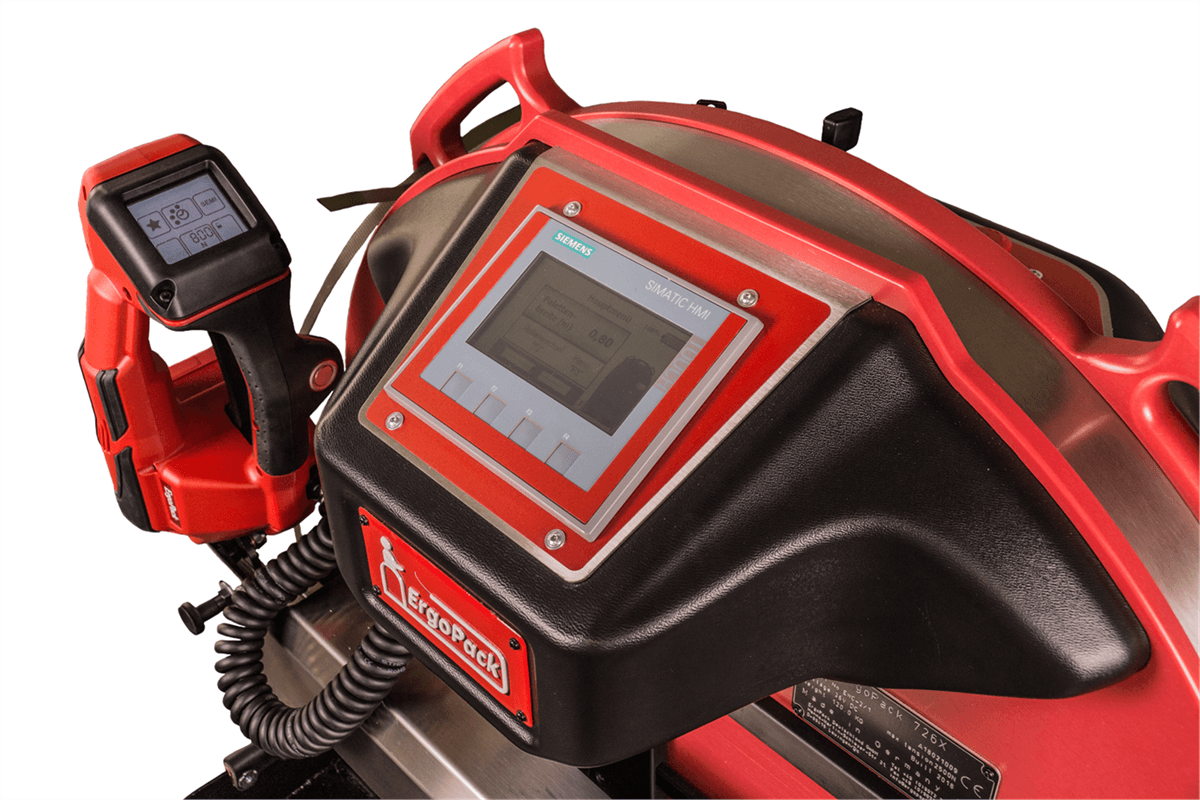
This is the rare case where the safety win and the efficiency win are the same change. Mobile systems such as the ErgoPack 726X, GO and 700 deliver both. The throughput side is in improve warehouse dispatch productivity.
Manual handling checklist
- High-risk manual tasks assessed (usually palletising + strapping)
- Eliminate/automate before relying on training
- Loads kept at working height; mechanical aids for heavy lifts
- Most repetitive motions engineered out
- Layout fixed for short travel and no awkward reaches
- Repetitive bend-and-walk strapping automated at source
Put the strongest controls first — remove the task, don't just train it — and you cut injury risk and clear the dispatch bottleneck with the same move.
Talk to a pallet strapping engineer
BENZ Packaging and ErgoPack India engineers support installations and service anywhere in India. Tell us your pallet setup and we’ll recommend the right machine — and send pricing.
Related Reading
Continue with the next guide
insights
Improving OEE: Why the Dispatch Dock Is the Forgotten Factor
OEE programmes obsess over the production line and ignore the dispatch dock — yet a manual securing bottleneck there caps the throughput your OEE is meant to protect. Here’s the link.
insights
Pallet Strapping Machine for Small Business: Is It Worth It?
Small and mid-size Indian manufacturers and exporters often assume automation is only for big plants. For pallet securing, that’s usually wrong — here’s why a mobile machine fits a small business.
insights
How Many Pallets a Day Justify a Strapping Machine?
There’s a simple volume threshold above which a mobile strapping machine pays for itself. Here’s how to work out yours — and why it’s lower than most people expect.