insights
Is Packaging Automation Worth It? The ROI Case for Indian Factories
Is automating your packaging line worth the investment? The honest ROI case — payback period, where the savings come from, when it pays off and when it doesn’t — for Indian operations.
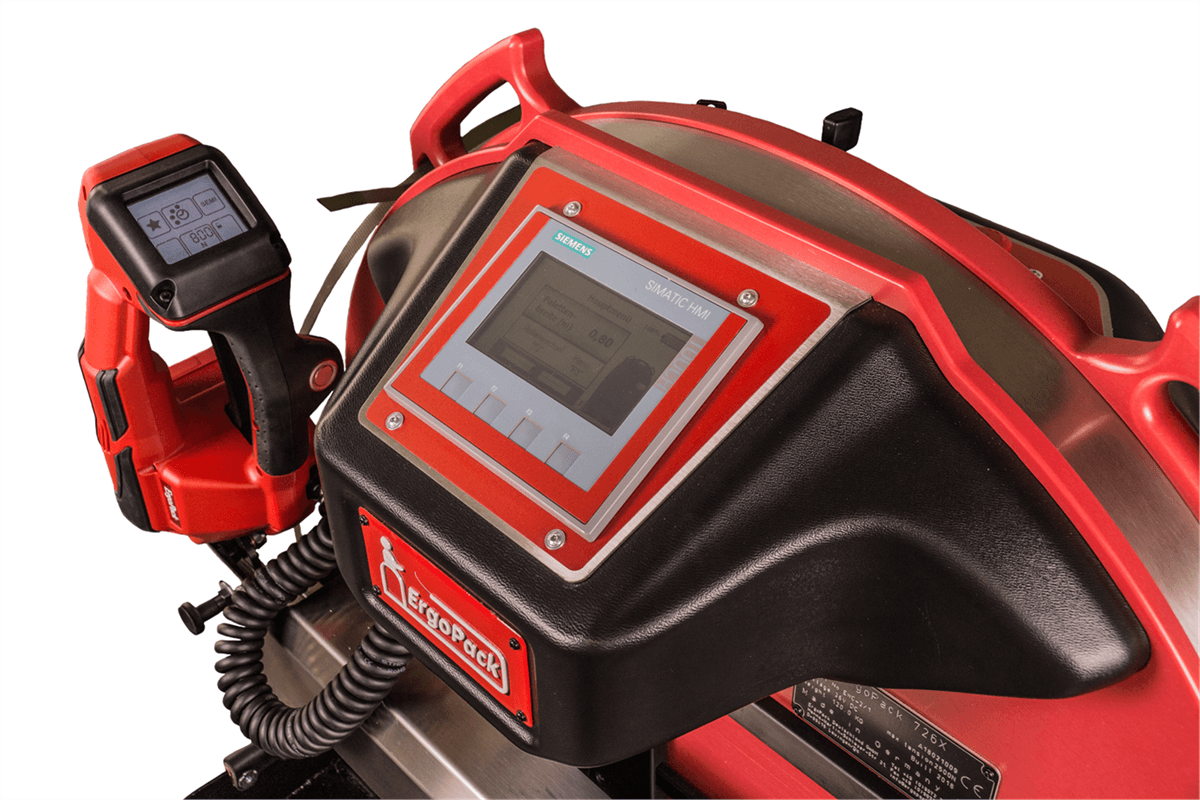
"Is automation worth it?" is the right question to ask before any capital purchase — and the honest answer is it depends on your volume and what you automate. For end-of-line packaging on a mid-to-high-volume Indian floor, the answer is usually a clear yes, with a payback measured in months. Here is the case, including when it does not pay off.
What "worth it" actually means
Automation is worth it when the annual savings recover the investment quickly and then keep paying. The honest test is the payback period and the net benefit over the machine's life — not the sticker price. So the question becomes: how fast does it pay back, and how much does it save after that?
Where packaging-automation savings come from
Four sources, in rough order of size:
| Source | What it saves |
|---|---|
| Labour | Fewer operators per pallet (the biggest, and it rises with wages) |
| Throughput | Dock stops queuing; ship more with the same floor |
| Damage | Consistent tension → fewer rejected loads |
| Consumables | No metal seals; up to 50% less film over-use |
The payback maths
Payback (months) = machine price ÷ (annual net saving ÷ 12).
Using our ROI calculator defaults (1 line, 2 shifts, 50 pallets/shift, ₹30,000 CTC), automating strapping removes 6 workers' cost and saves **₹25 lakh a year** — which on a mobile machine recovers the investment in roughly 6 to 18 months, after which the saving recurs for the machine's ~10-year life (crores in total). For a GST-registered buyer, the 18% GST is recoverable as input tax credit, so the effective cost is the ex-GST price.
When packaging automation IS worth it
- Volume is mid-to-high — roughly 50+ pallets/day, where labour savings are large.
- Labour is a real, rising cost — true across India in 2026.
- You ship mixed loads across bays — where a mobile machine flexes without a capital construction project.
- Transit damage is hurting you — consistent securing pays back fast on rejections.
When it is NOT worth it (the honest part)
- Very low volume (under ~30 pallets/day) — a manual tool or the low-cost manual-crank machine may be enough; full automation can wait.
- One-off or highly irregular shipping — the utilisation isn't there.
- The wrong machine — a fixed inline arch for a mixed-load warehouse is over-spec and under-flexible; the saving comes from matching the machine to the operation.
A good supplier will tell you when you don't need to automate yet — which is why we run a free on-site audit before quoting.
How to decide for your floor
- Time your manual strapping cycle and count the operators.
- Model it in the ROI calculator with your real wage and volume.
- Check the payback — under ~18 months is a strong case.
- Match the machine to your loads and floor — see types of pallet strapping machines.
- Prove it on your heaviest pallet with an on-site demo.
The verdict
For a mid-to-high-volume Indian dispatch floor facing rising labour costs, automating end-of-line strapping is one of the clearest "yes" cases in the building — fast payback, crore-scale lifetime saving, and lower damage and higher throughput on top. Model your own ROI, then request a quote and demo.
Talk to a pallet strapping engineer
BENZ Packaging and ErgoPack India engineers support installations and service anywhere in India. Tell us your pallet setup and we’ll recommend the right machine — and send pricing.
Related Reading
Continue with the next guide
insights
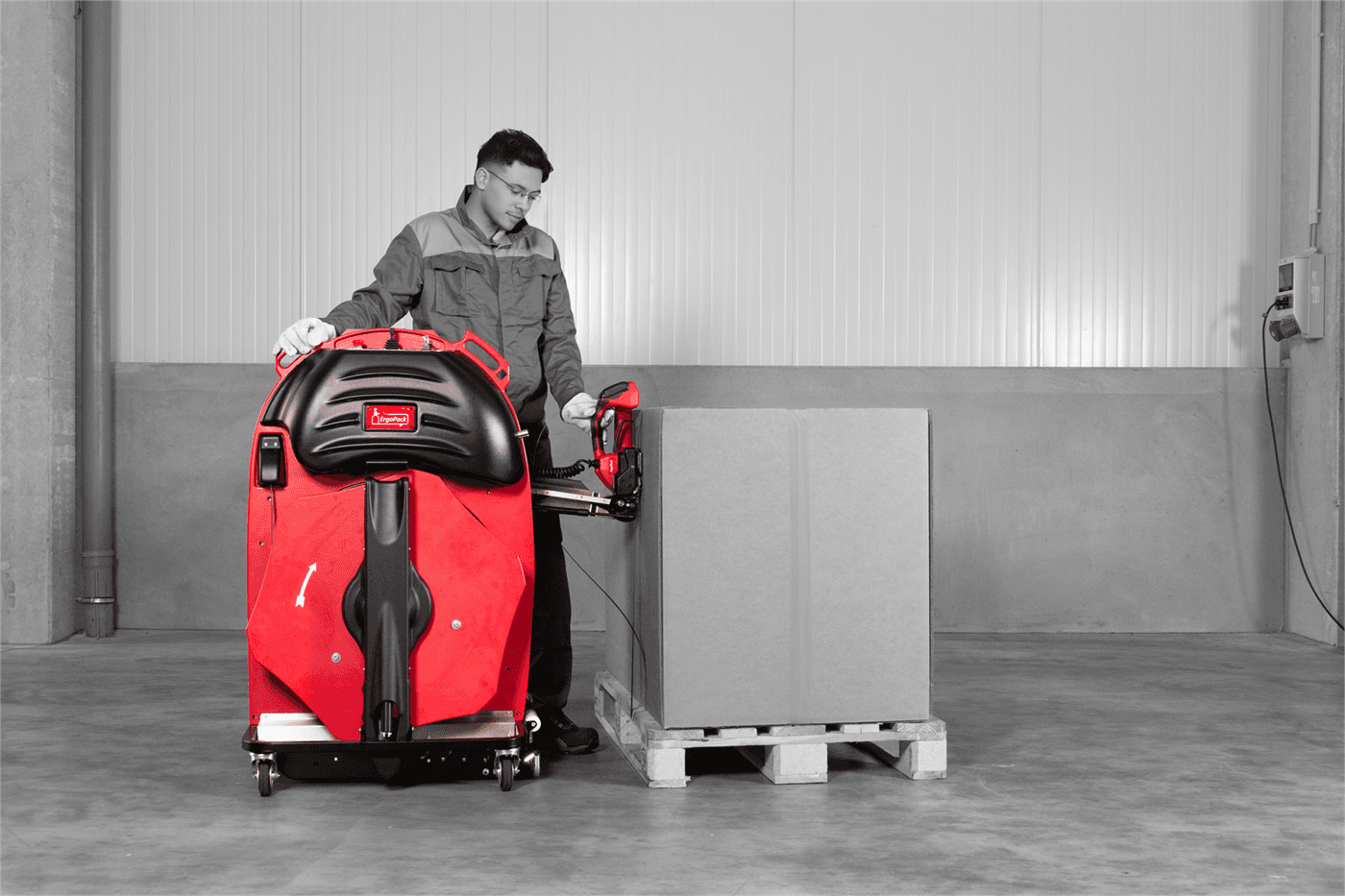
Improving OEE: Why the Dispatch Dock Is the Forgotten Factor
OEE programmes obsess over the production line and ignore the dispatch dock — yet a manual securing bottleneck there caps the throughput your OEE is meant to protect. Here’s the link.
insights
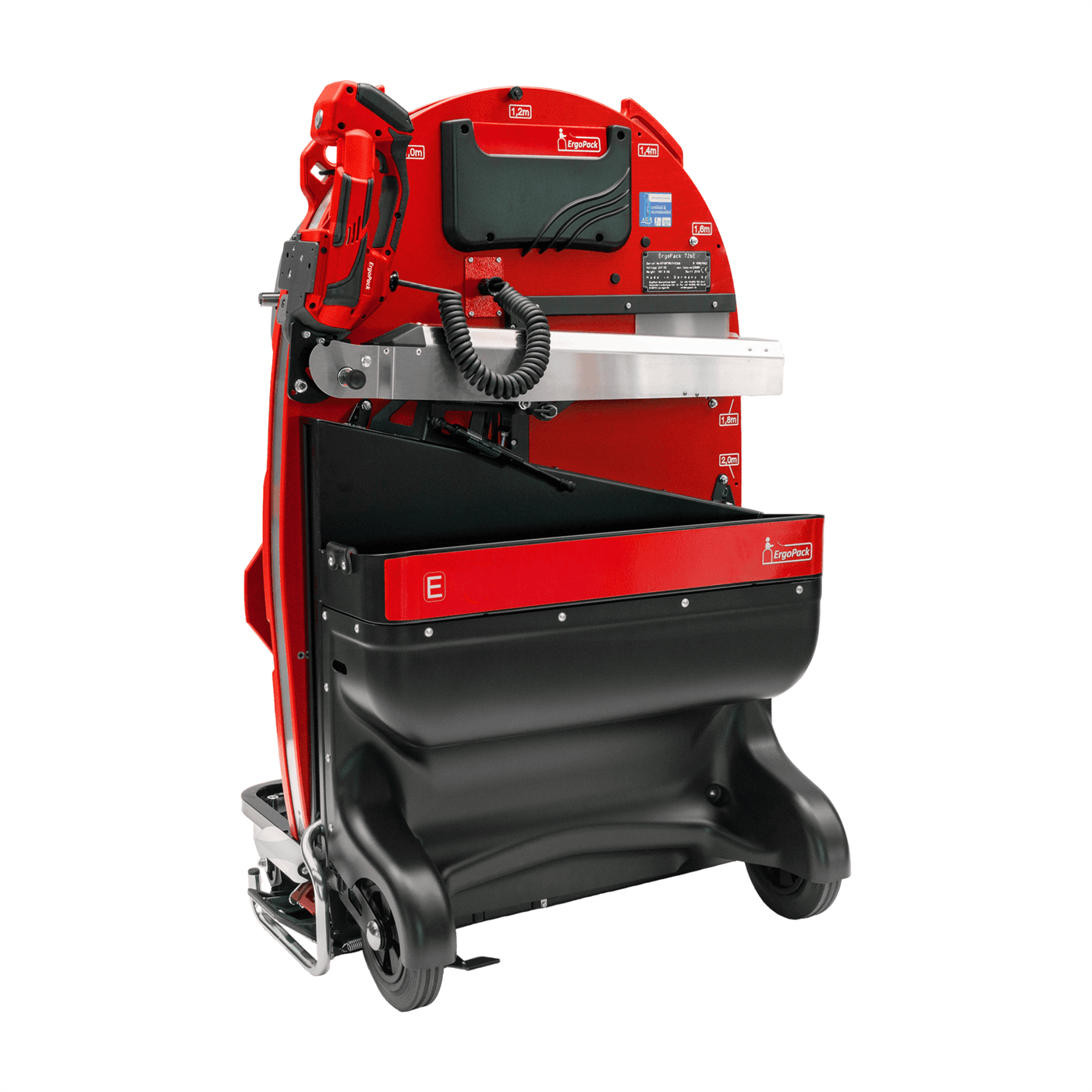
Pallet Strapping Machine for Small Business: Is It Worth It?
Small and mid-size Indian manufacturers and exporters often assume automation is only for big plants. For pallet securing, that’s usually wrong — here’s why a mobile machine fits a small business.
insights
How Many Pallets a Day Justify a Strapping Machine?
There’s a simple volume threshold above which a mobile strapping machine pays for itself. Here’s how to work out yours — and why it’s lower than most people expect.