insights
3PL & Cross-Docking: How to Keep the Dispatch Dock Moving
For 3PLs and cross-docking operations, speed at the dock is the whole business. A guide to keeping mixed-load dispatch moving — and why mobile, not fixed, securing fits cross-docking.
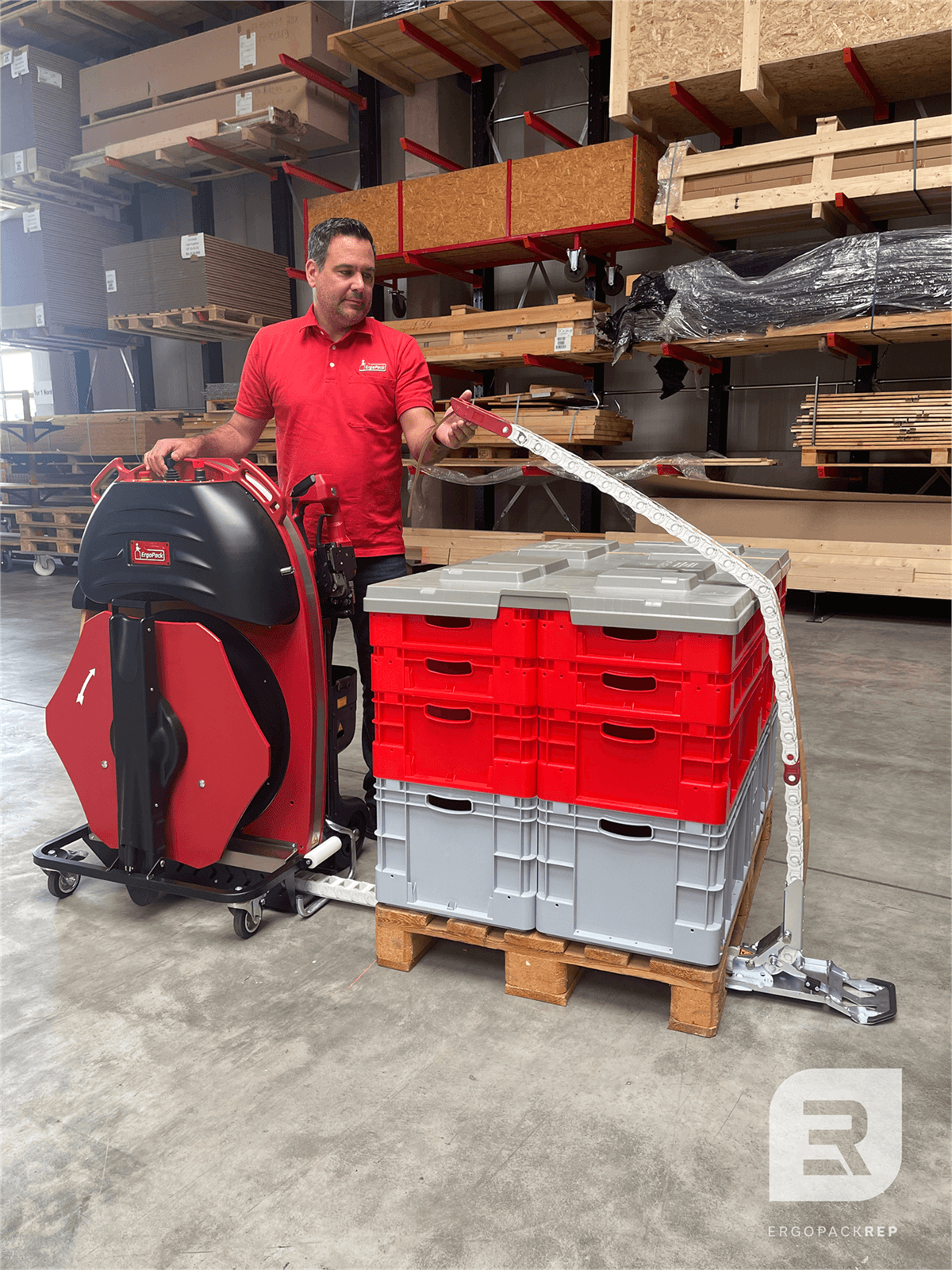
For a 3PL, the warehouse is not storage — it is flow. Cross-docking pushes goods from inbound to outbound with minimal dwell, and the entire economic model depends on how fast the dispatch dock turns loads around. Anything that queues at the dock costs money on every shipment. Here is how securing fits — and why the usual fixed automation does not.
What makes 3PL dispatch different
- Speed is the product. A 3PL is paid for throughput and on-time dispatch, not for warehousing.
- Mixed, unpredictable loads. Different clients, SKUs, pallet sizes and configurations cross the dock every shift — there is no single load profile.
- Multiple dock lanes. Work happens across many bays at once, not at one fixed point.
- Peaks. Volume spikes with client demand; the operation has to flex without re-engineering.
Why fixed automation fights cross-docking
The instinct is to install a fixed, inline strapping arch for speed. But a floor-bolted machine forces every pallet to one location — the opposite of how a cross-dock flows. You end up trucking pallets across the floor to the machine and back, creating exactly the queue and forklift traffic cross-docking exists to avoid. A fixed arch also assumes one pallet profile, which a 3PL never has.
Why mobile securing fits
Mobile strapping matches the cross-dock model: you bring the machine to the pallet, at any lane, on any pallet size:
- Strap at any dock lane — no moving pallets to a fixed station.
- Handles mixed loads — the ChainLance adjusts to pallet widths from 40 to 270 cm without reconfiguration.
- No infrastructure — no conveyors, 3-phase power or floor-bolting, so you flex with volume.
- Speed where it counts — one operator secures a pallet in under 40 seconds, at the lane, keeping the dock turning.
This is the case made in mobile vs stationary pallet strapping. Systems such as the ErgoPack GO, 726X and 700 are built for exactly this — wheeled to the staging lane, strapping mixed loads as they cross the dock.
Keeping the dock moving
- Secure at the lane, not at a station — eliminate the move-to-machine round trip.
- Standardise the securing step so any operator does it the same in under 40 seconds.
- Reallocate the freed labour to inbound and staging during peaks.
- Measure dock turn time and attack the slowest step — usually the manual securing.
The broader throughput method is in improve warehouse dispatch productivity, and the financial case in the ROI calculator.
3PL dispatch checklist
- Securing done at the dock lane, not a fixed station
- One machine handles all client pallet sizes (mobile, adjustable)
- No conveyors/civil work — flex with client volume
- Under-40-second securing standardised across operators
- Freed labour redeployed to inbound/staging at peak
- Dock turn time measured; slowest step attacked
For a 3PL, the dock is the business. Keep securing mobile, fast and standardised, and the dock keeps turning — which is the only thing the cross-dock model rewards.
Talk to a pallet strapping engineer
BENZ Packaging and ErgoPack India engineers support installations and service anywhere in India. Tell us your pallet setup and we’ll recommend the right machine — and send pricing.
Related Reading
Continue with the next guide
insights
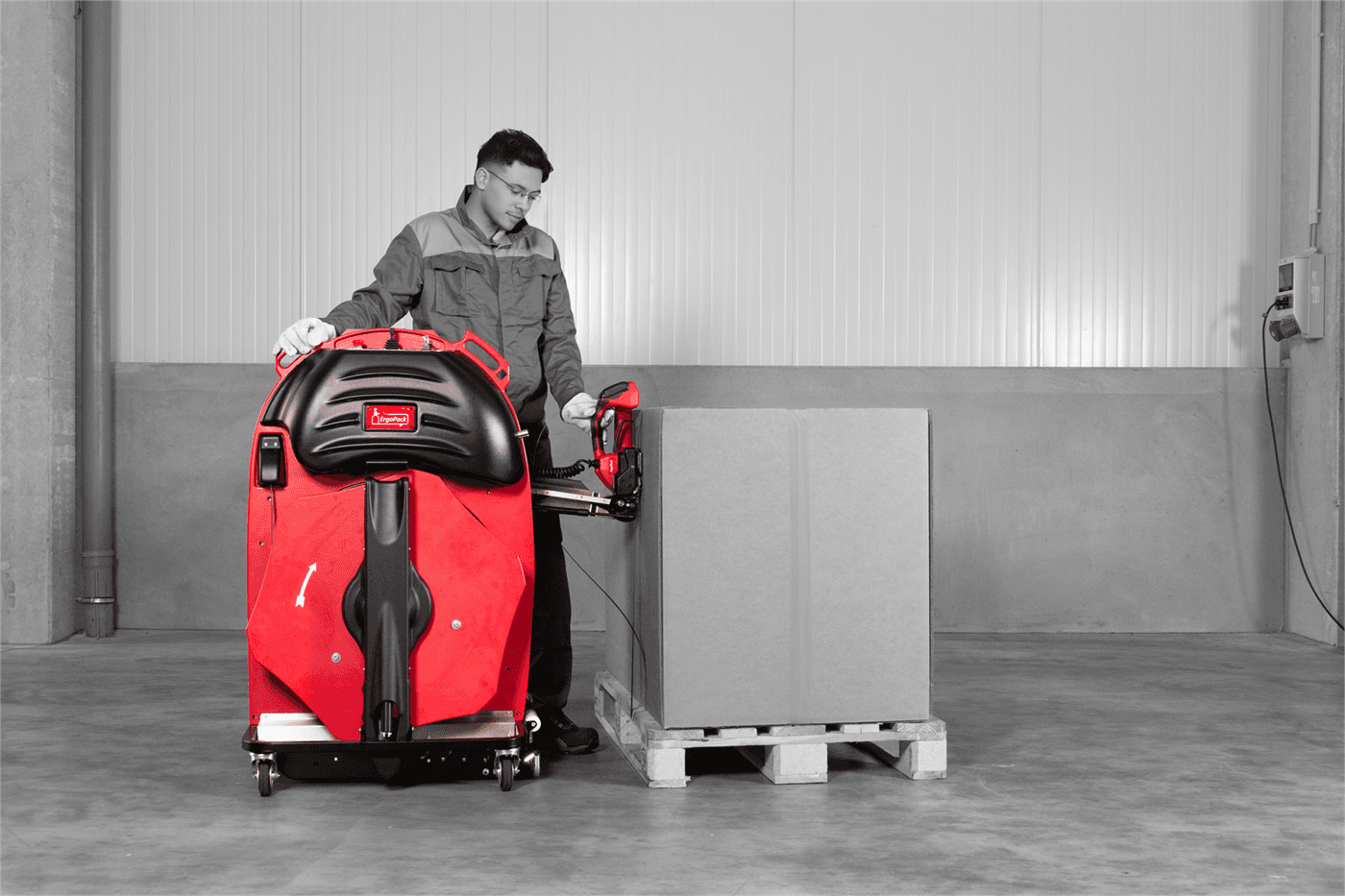
Improving OEE: Why the Dispatch Dock Is the Forgotten Factor
OEE programmes obsess over the production line and ignore the dispatch dock — yet a manual securing bottleneck there caps the throughput your OEE is meant to protect. Here’s the link.
insights
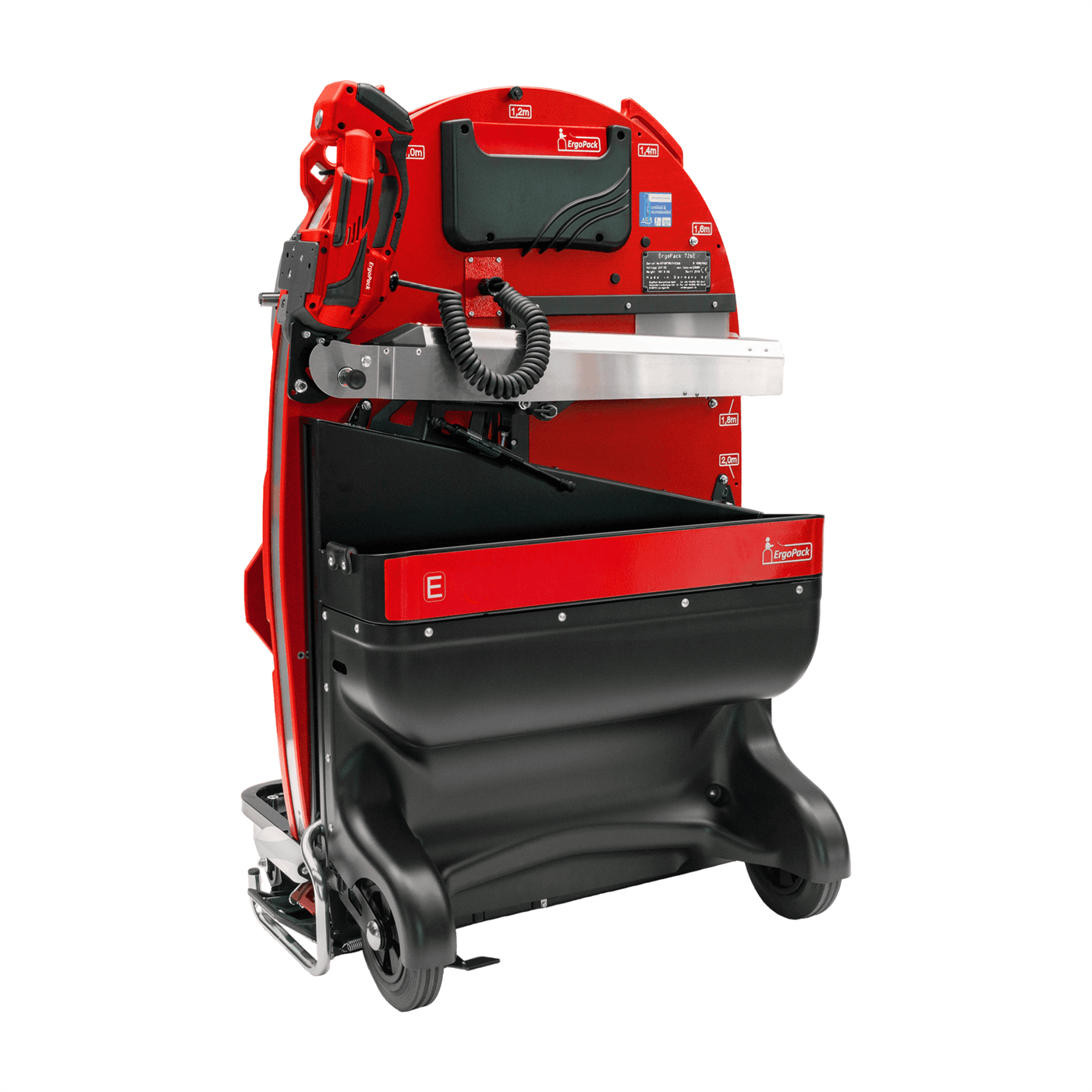
Pallet Strapping Machine for Small Business: Is It Worth It?
Small and mid-size Indian manufacturers and exporters often assume automation is only for big plants. For pallet securing, that’s usually wrong — here’s why a mobile machine fits a small business.
insights
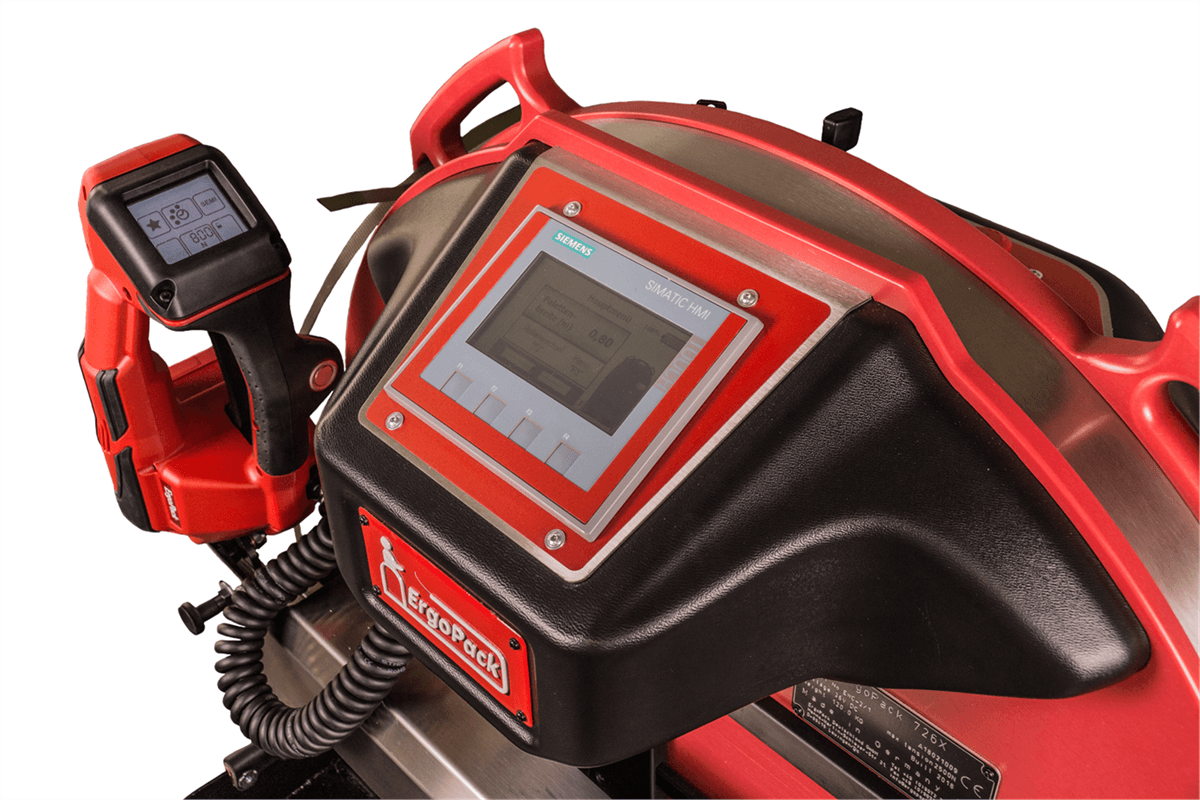
How Many Pallets a Day Justify a Strapping Machine?
There’s a simple volume threshold above which a mobile strapping machine pays for itself. Here’s how to work out yours — and why it’s lower than most people expect.